CTO, VP Engineering, Head of Engineering

CTO Coach & Mentor. For the CTO who owes a board answer by Friday and does not have one yet.

Board wants a number. Team wants breathing room. Your VPE is drowning. Two of your directors are interviewing at competitors. And the board deck is due Friday.

A CTO coach is a sparring partner who has sat in the seat: board narratives, org design from 30 to 300 engineers, AI governance, the delivery answer you owe by Friday. Not therapy. Direct steps, pressure-tested before you send them.

You do not need another framework. You need one person to sit across from you every two weeks and pressure-test the actual calls on your desk before you send them.

Situations you are likely in, and how we tackle them

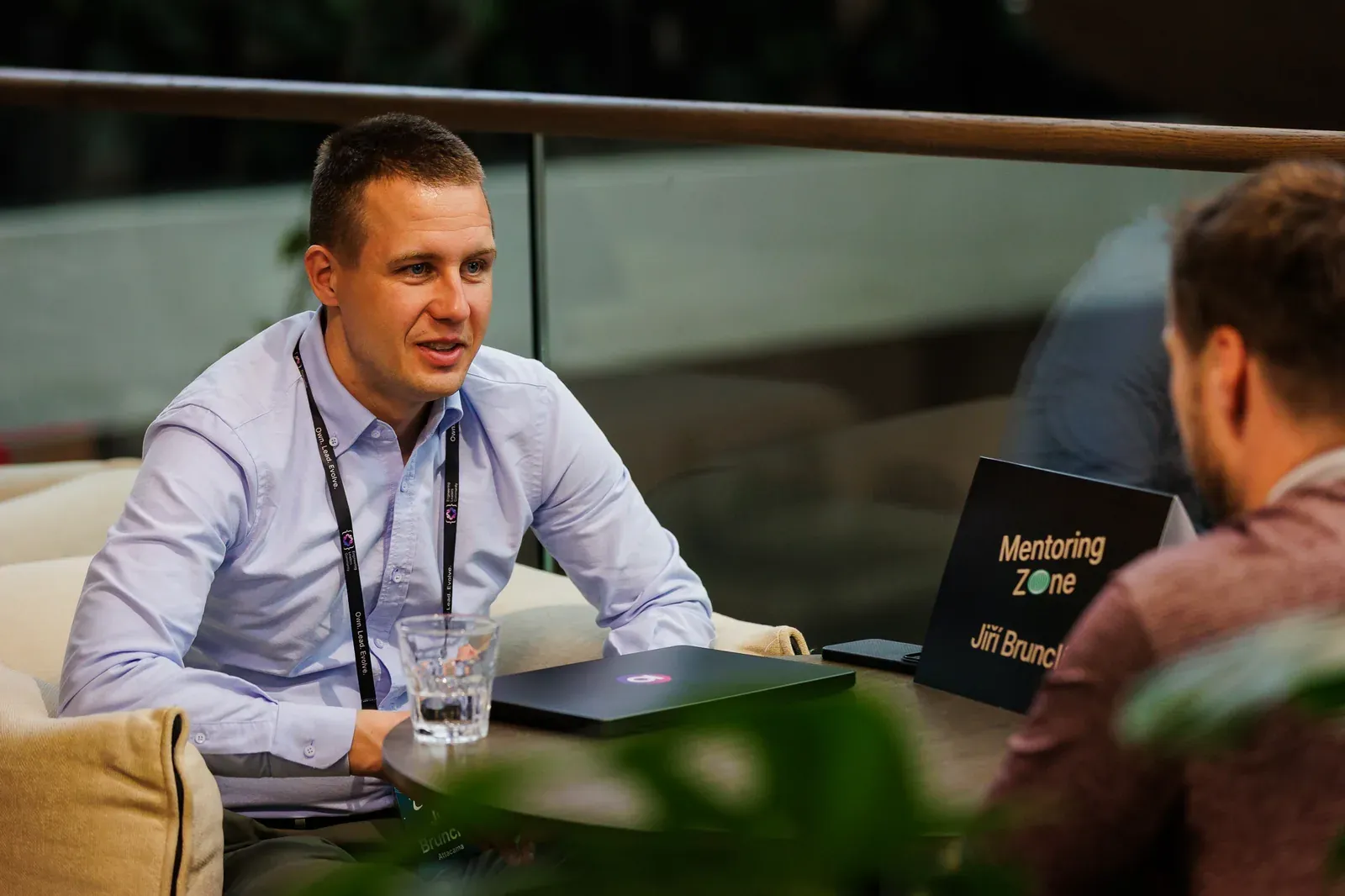
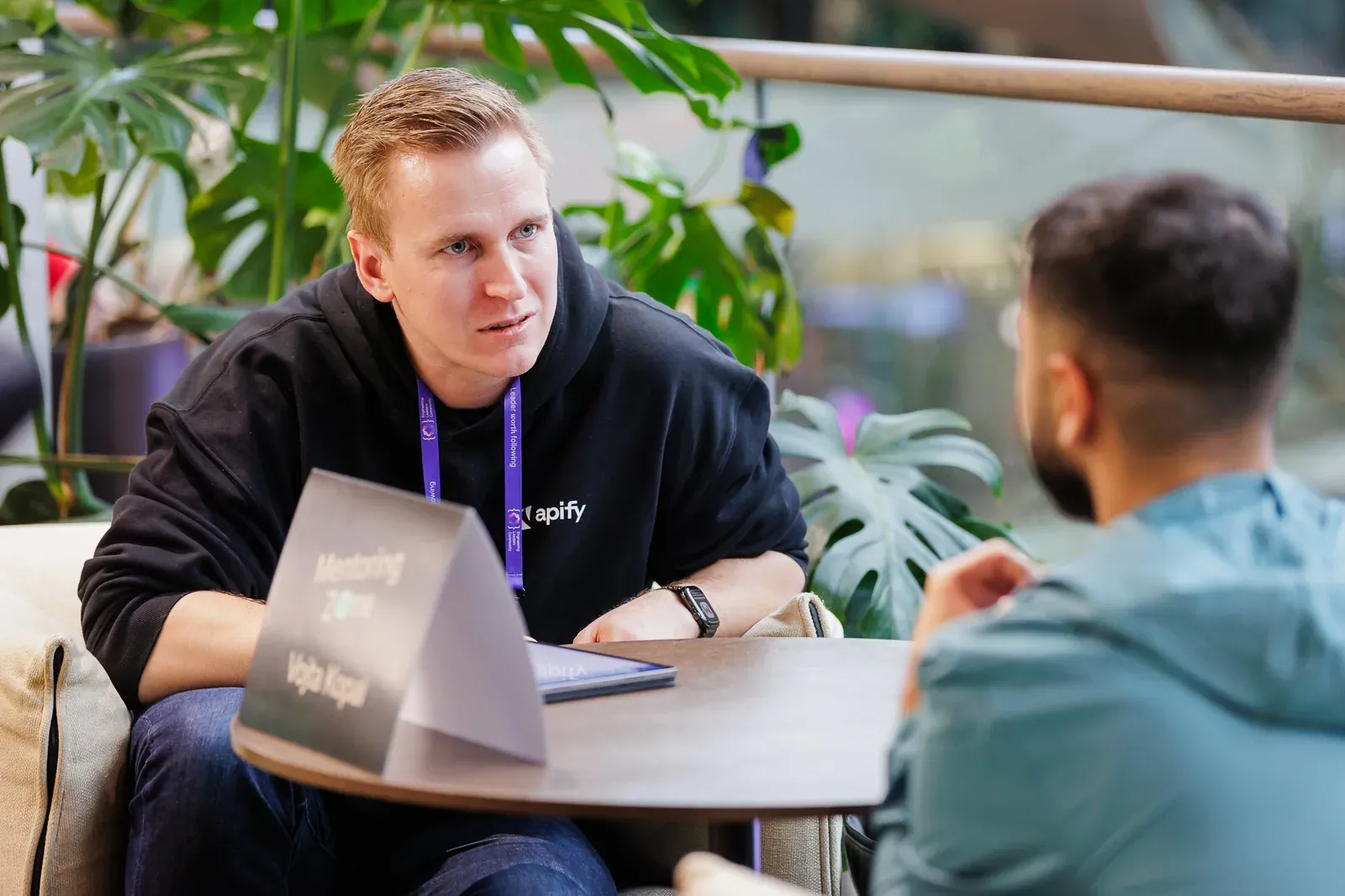
Marian Kamenistak in a 1:1 mentoring session.

The board wants a delivery number. Your team wants breathing room.

It is Wednesday. The board deck is due Friday. Last three quarters shipped 50 to 60% of the roadmap and I do not have a clean explanation. My VPE told me last week that half the team is quietly interviewing. I am supposed to fix delivery AND retention AND ship the deck by Friday, and I know I can only pick two.

You have probably tried

  • A "delivery-focused" sprint retro that turned into airing grievances
  • Reading Team Topologies at 11pm
  • Adding OKRs on top of the existing OKRs
  • Telling the board "give us a quarter" (they gave you 6 weeks)

How we tackle it

Split the delivery story into leading indicators (sprint completion, ad-hoc ratio, cycle time) and lagging outcomes (roadmap %). Board gets a defensible narrative. Team gets a system that moves the numbers without a death march. We work the exact board deck line by line.

Target: By the next board cycle: a number that survives scrutiny, a written plan, and no more "give us a quarter" asks.
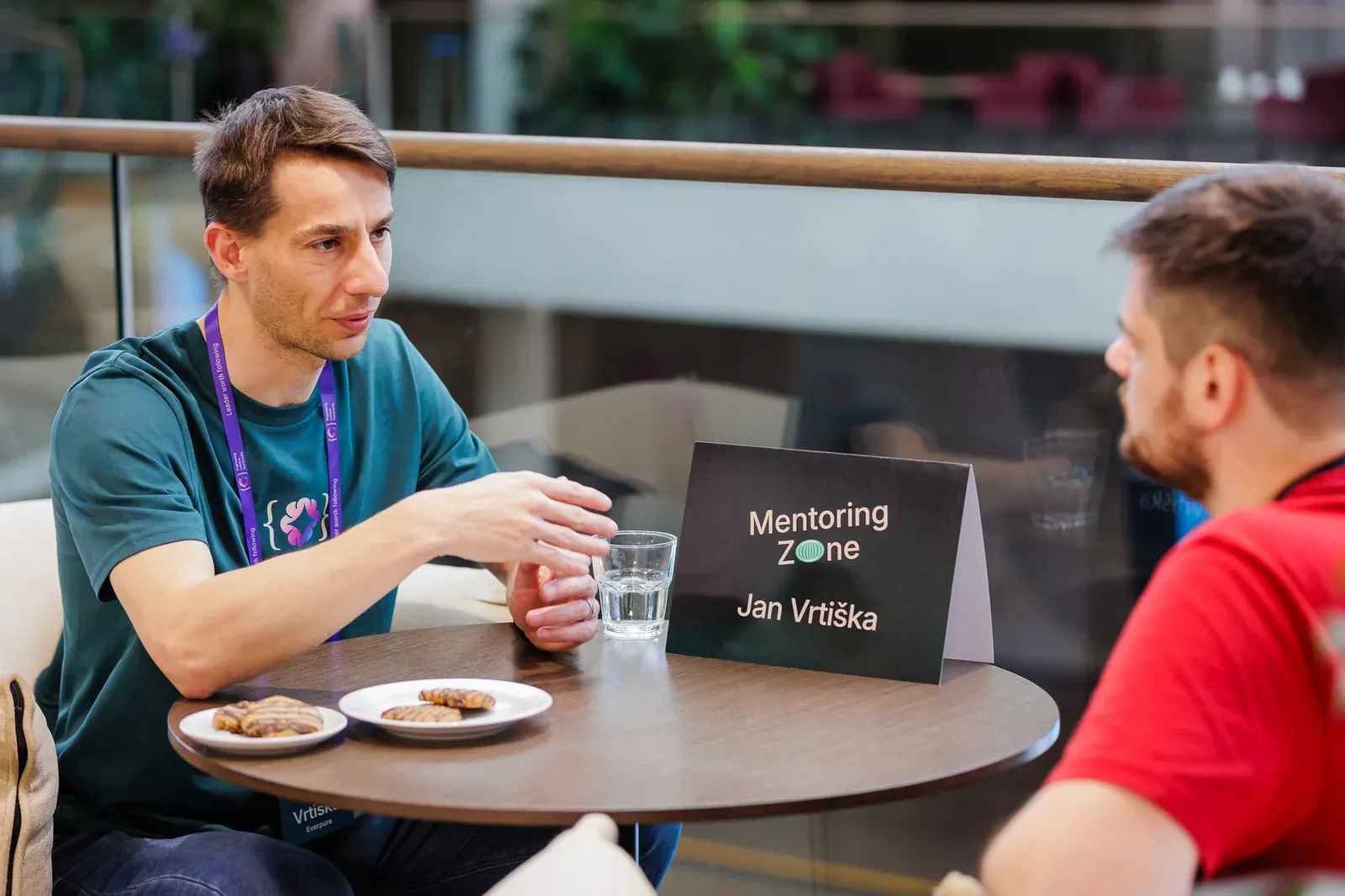
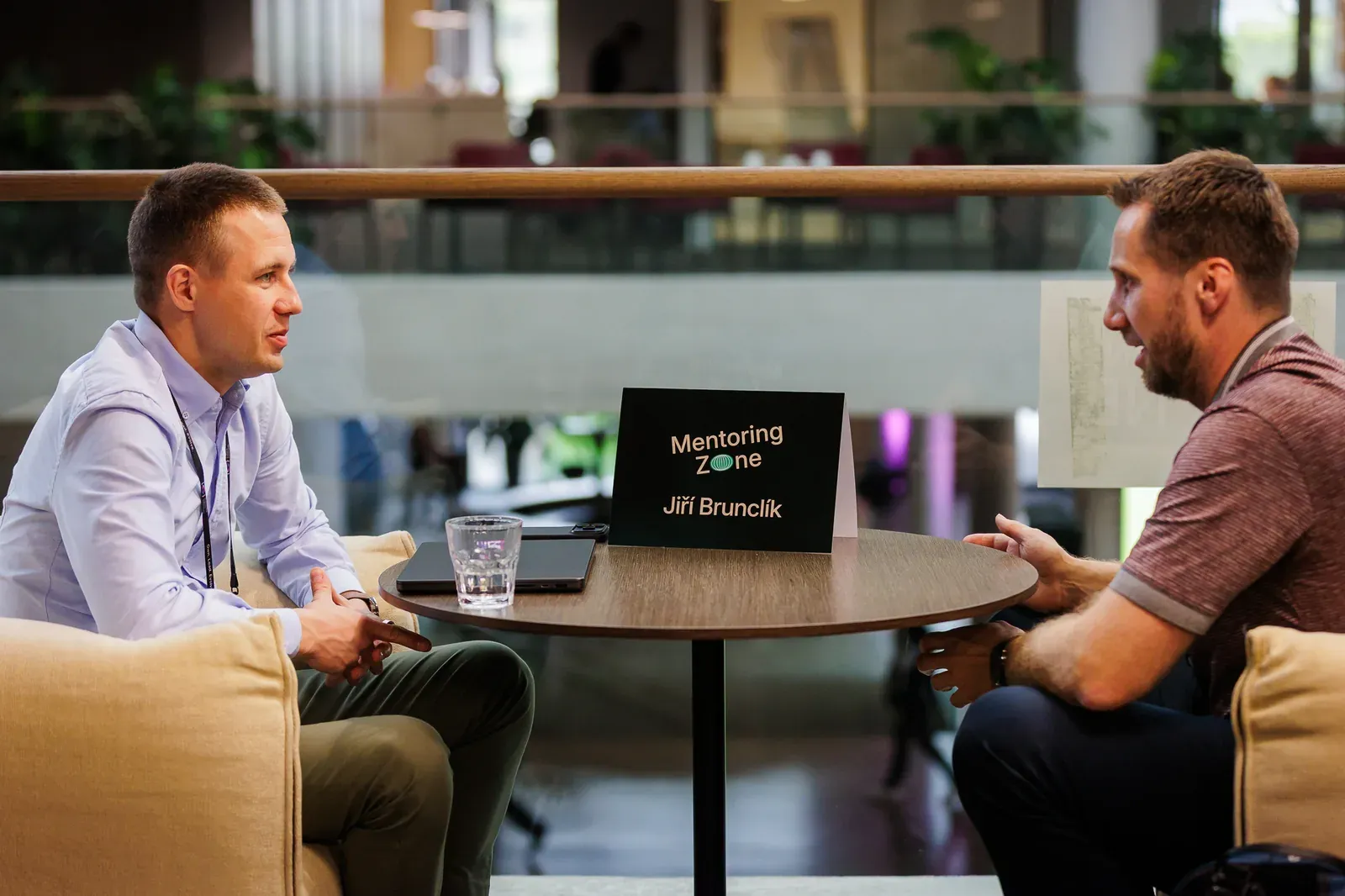
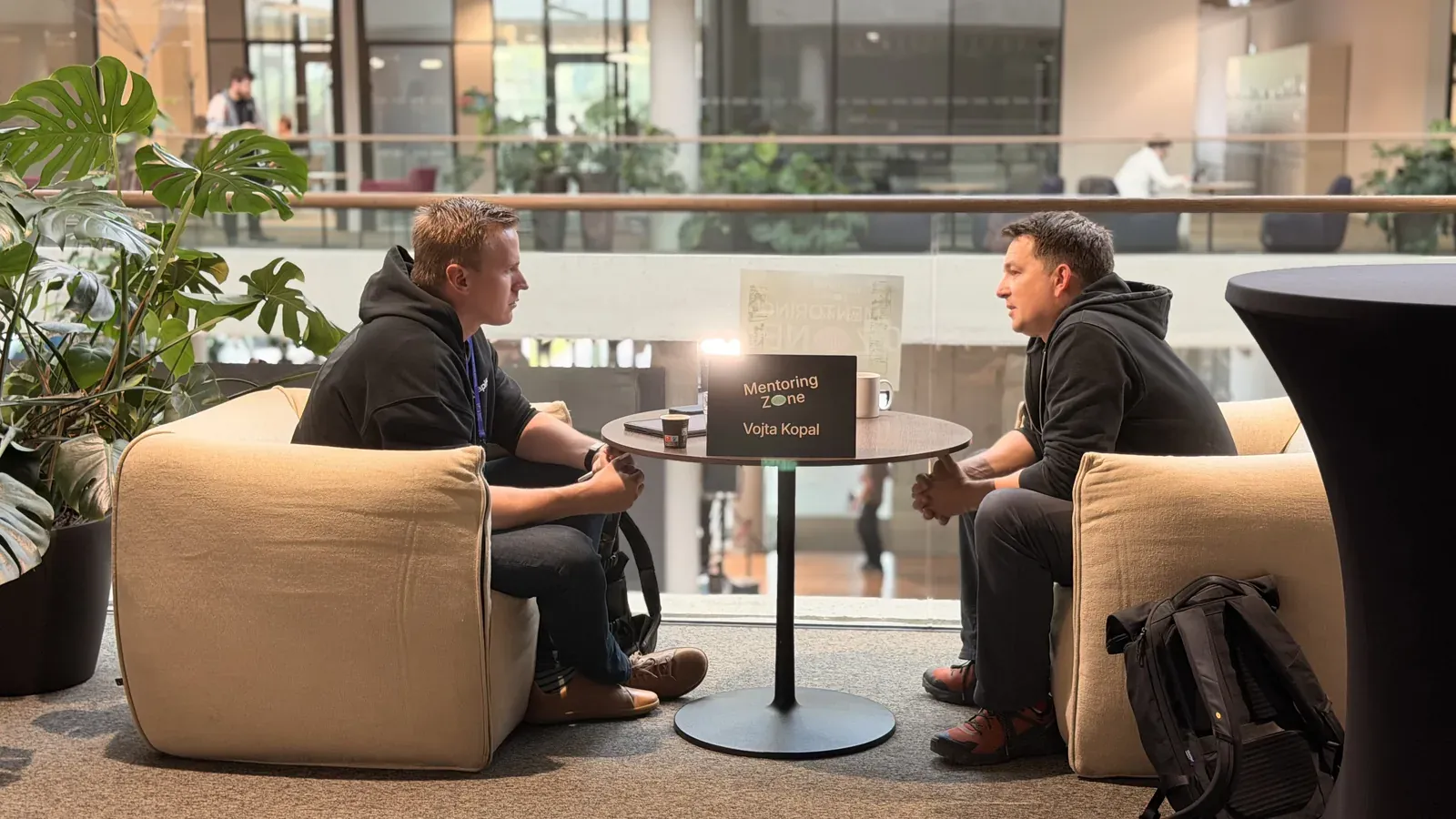
Marian Kamenistak in a 1:1 mentoring session.

You inherited an org that runs on autopilot the wrong way.

Prior CTO left three months ago. Nobody documented anything. Two engineering directors are interviewing at competitors. Tech debt is three years old and nobody can quantify what it costs. First 90 days are halfway gone and I still cannot answer "what do we own on the platform" without a caveat.

You have probably tried

  • Setting up 30 intro 1:1s (learned nothing new after the first 8)
  • Asking the outgoing CTO for a handoff doc (he wrote a paragraph)
  • Reading the last 6 all-hands slides for context
  • Deferring every strategic call to "after I understand the org"

How we tackle it

Structured 90-day intake: stakeholder map, delivery diagnosis, retention risk ranking, tech-debt impact score. We identify the two highest-leverage moves and I coach you through defending them to the CEO. Everything else waits.

Target: By day 90: two committed initiatives with owners, dates, and metrics. Retention risks named and addressed. Everyone stops asking "what do we own."

Marian Kamenistak in a 1:1 mentoring session.

You are about to raise, or you just did.

Investor called Tuesday. Due diligence is next week. Roadmap, hiring plan, security posture, architecture story, tech-debt cost. I know what to say. I also know that what I say has to survive their tech advisor, who will pull two threads. And I have no idea which two.

You have probably tried

  • Writing the answer three times, deleting all three
  • Asking your CFO what the last CTO said (he shrugged)
  • Reading Y Combinator threads about due diligence
  • Adding tech-debt paydown to the roadmap "just in case"

How we tackle it

We rehearse the technical assessment before you send it. Which answers get you a follow-up call, which get you a discount, which get you a pass. Then we design the 12-month hiring and delivery narrative that matches the money.

Target: Before due diligence: technical assessment drafted, rehearsed, and pressure-tested. No surprise threads pulled.

Marian Kamenistak in a 1:1 mentoring session.

AI adoption is now an executive expectation, not a lab project.

Board member DMed me last week: "why are we not at 100% Copilot?" My platform team is spinning on which model, which policy, which spend. My ICs are using Cursor and Claude anyway. And I do not have a governance answer that survives the next earnings call.

You have probably tried

  • A cross-functional AI task force that met once
  • Running a Copilot pilot on 3 teams with no measurement plan
  • Reading DORA 2025 AI section (still not sure what to do)
  • Deferring the board answer with "we are being thoughtful"

How we tackle it

Three-tier AI-governance answer: individual productivity (opt-in, measured via cycle-time delta), team workflows (spec-driven, review-gated), product-embedded AI (bet on 1-2 use cases, kill the rest). Something you defend to the board and hand to the team.

Target: By the next board meeting: written policy, one measurement dashboard, and a defensible "here is how much of this we are doing and why" answer.

Marian Kamenistak in a 1:1 mentoring session.

You are the bottleneck for 5 decisions this week.

Architecture review at 10am. Senior hire at 2pm. PIP escalation at 4pm. And my VPE just Slacked me about a contractor budget I do not have context on. Every directional call routes through me. That worked at 20 engineers. At 80 it is why nothing ships and my VPE is drowning.

You have probably tried

  • Telling your VPE "you can decide this" (he brought it back)
  • Blocking Fridays for "deep work" that got Zoom-invaded
  • Reading Amazon's "one-way vs two-way doors" (helpful, not applied)
  • Delegating to a director who then delegated back

How we tackle it

Decision-rights matrix. Not RACI, more specific: which decisions your VPE owns outright, which you sanity-check async, which need a live call. Then we install escalation criteria so the team knows when to interrupt you and when not to.

Target: By week 6: 30%+ of the decisions that used to route through you no longer do. Your VPE is not drowning. Your Fridays exist.

Marian Kamenistak in a 1:1 mentoring session.

You need a second opinion that is not a peer at your own company.

My board is not technical enough for the org-design conversation. My CPO does not do capacity planning. My peers at other companies compete for the same hires. My CEO wants the answer, not the doubt. And my partner is done hearing about the mid-level manager problem.

You have probably tried

  • The exec-coach your CEO hired (business coach, not tech)
  • CTO Slack groups (helpful for links, weak for your specific call)
  • Books by ex-CTOs of very different companies
  • Waiting to see if the answer arrives on its own

How we tackle it

Bi-weekly 60-min sessions built around the two hardest calls on your plate that week. Pattern data from 3,000+ sessions. Your actual context. No frameworks-in-general, only your-specific-call today.

Target: Every session ends with a written decision or a specific next step on a real call. No abstractions.

The questions I hear most from CTO, VP Engineering, Head of Engineering

These are the exact asks from mentees in the last 12 months. Bring one to the intro call and we start there.

How mentoring with me works

Free 30-min intro. Two KPIs to move in 3-6 months. Small homework after every session. The full method, step by step:

See how mentoring works →

Frequently asked

What if the real problem is my CEO, not the engineering org?+
Then we work on the CEO relationship. That is where a big chunk of CTO mentoring lands. If the CEO is unfixable, we work on the exit that keeps your reputation intact and your team looked after.
What if I only have 4 to 6 sessions before a board meeting or a raise?+
Then we compress. You bring the specific deliverables (board deck, DD dataroom, retention plan), and each session ends with an artifact ready to send. Some of the highest-impact engagements I run are 4 to 6 sessions.
Will you tell me straight if my strategy is wrong, or dance around it?+
Straight. If your strategy has a hole, I will say so, and I will help you fix it. Mentoring first means direct advice when it matters. Coaching-style questions come later.
What if I need help executing, not just talking?+
Different product. Mentoring is 1:1 sparring. If your org needs hands-on delivery work, we move to fractional CTO or the productivity audit. Same person, different engagement.
What if my board finds out I have a mentor? Is that a signal I am struggling?+
Most boards read it as investment in the craft. Every serious CEO you know has an executive coach. This is the engineering version.
How often do sessions happen?+
Bi-weekly default. Weekly if you are in the first 90 days, mid-crisis, or preparing for a board meeting. Monthly is not enough for a CTO in an active seat.
CTO coach vs CTO mentor: which one is this?+
Both, in that order of trust. Mentoring first: direct advice from someone who has run engineering orgs through a Series C and an acquisition. Coaching-style questions once the context is built. If you want someone who only asks how that makes you feel, that is a different service and I will happily point you to one.
What does a CTO coach cost?+
Public pricing: 430 EUR per session, less in a 6-pack. Against a CTO cash comp, one avoided mis-hire at director level or one board meeting that lands pays for years of it. Details on the pricing page.
When does a CTO need a coach?+
The pattern in my intro calls: a board or CEO conversation that stopped going well, an org that outgrew the structure it was built with, or a first-90-days seat where every mistake is public. Group programs and peer circles help with the generic parts. The specific Friday answer needs one person who has written it before.

Explore other roles

Why me

Marian Kamenistak

Ex-VPE at Mews (Series C). Ex-Manta, acquired by IBM. 3,000+ mentoring sessions since 2019.

The full story →

Ready to start?

Free 30-min intro. No pricing conversation on the first call. We figure out if we can move your specific problem forward. That is it.

From the blog

All posts →