Engineering Manager, Team Lead

Engineering Manager Coach & Mentor. For the EM whose Sundays start with dread.

It is Sunday, 9pm. You have 4 direct reports, one you have been avoiding, a PM who wants 12 things, and a director losing patience. First-time EMs at 12 to 24 months have the worst burnout rates in the org, and you have proof of it in your own body.

An engineering manager coach is a weekly 1:1 with someone who has already run your exact situation: the underperformer, the delivery miss, the PM fight, the burnout. Not therapy, not a course. Direct steps for the call you have on Tuesday.

You do not need a book about management. You need one person to sanity-check the specific call you have on Tuesday morning. Every situation on this page is a real one I have seen at least 50 times.

Situations you are likely in, and how we tackle them

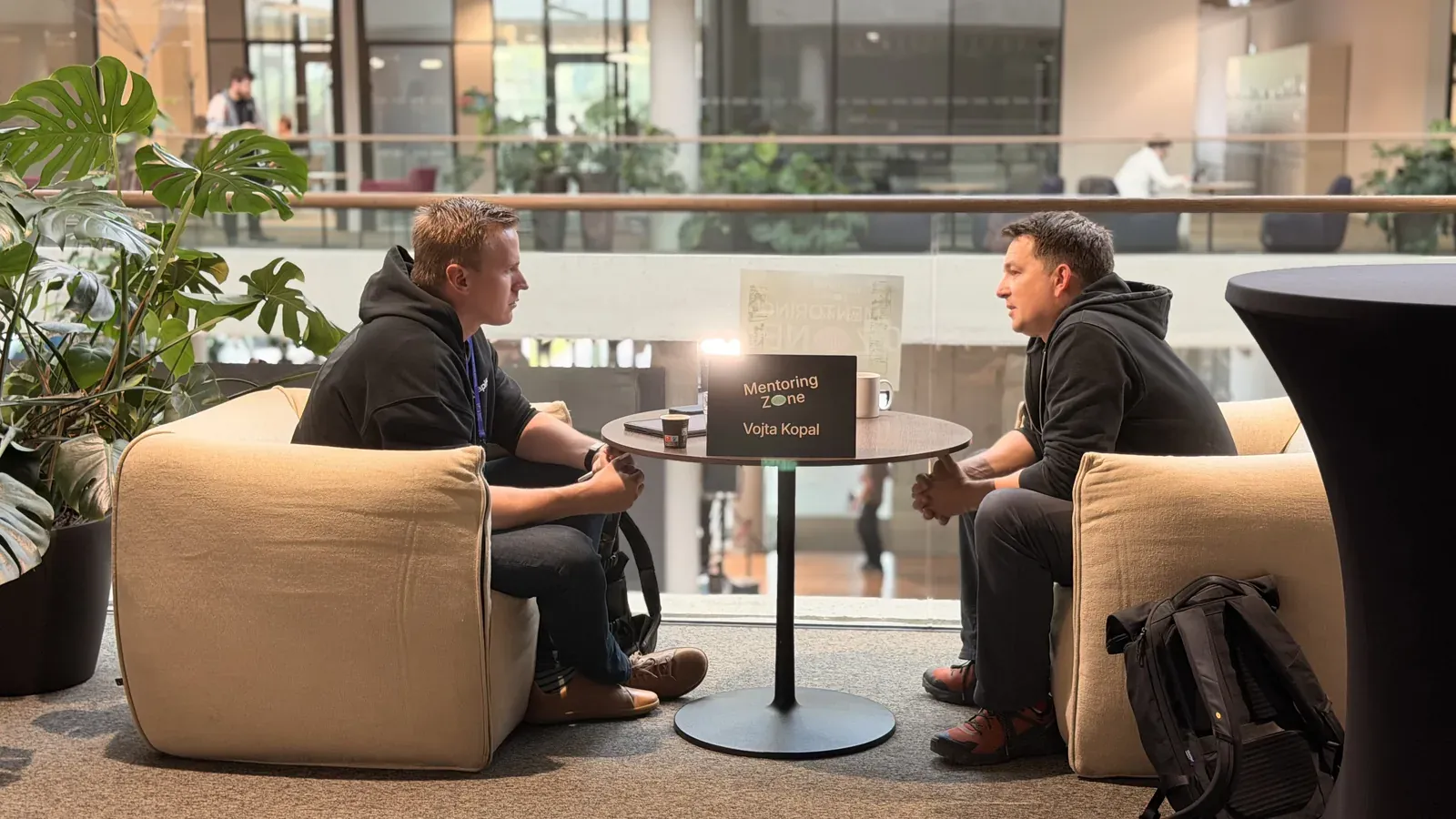
Marian Kamenistak in a 1:1 mentoring session.

You were the strongest engineer. So they gave you the team.

It is Thursday. I spent 40 minutes in a 1:1 with an engineer who is not shipping. I have another 4 direct reports and I still owe my CTO a hiring plan. I do not remember what code review used to feel like. And when he asked me on Monday "how is it going?" I said "good," and neither of us believed it.

You have probably tried

  • Reading The Manager's Path on the weekend
  • Copying 1:1 templates from LinkedIn
  • Asking your peer EM what she does (she is drowning too)
  • Blocking Fridays for "strategy" that gets eaten by meetings

How we tackle it

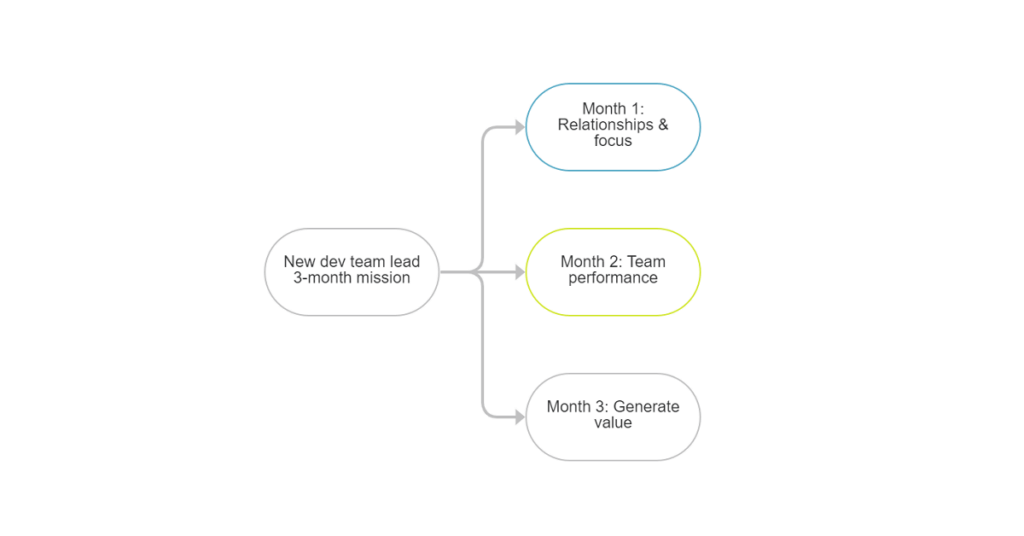
First-90-days playbook built around your specific team, your specific manager, your specific 2 hardest reports. Weekly 1:1 with me, small written homework between sessions. We work the exact calls that landed on your desk this week, not general theory.

Target: By week 12: you know the job, you own the team, and the "how is it going?" answer to your CTO is honest.
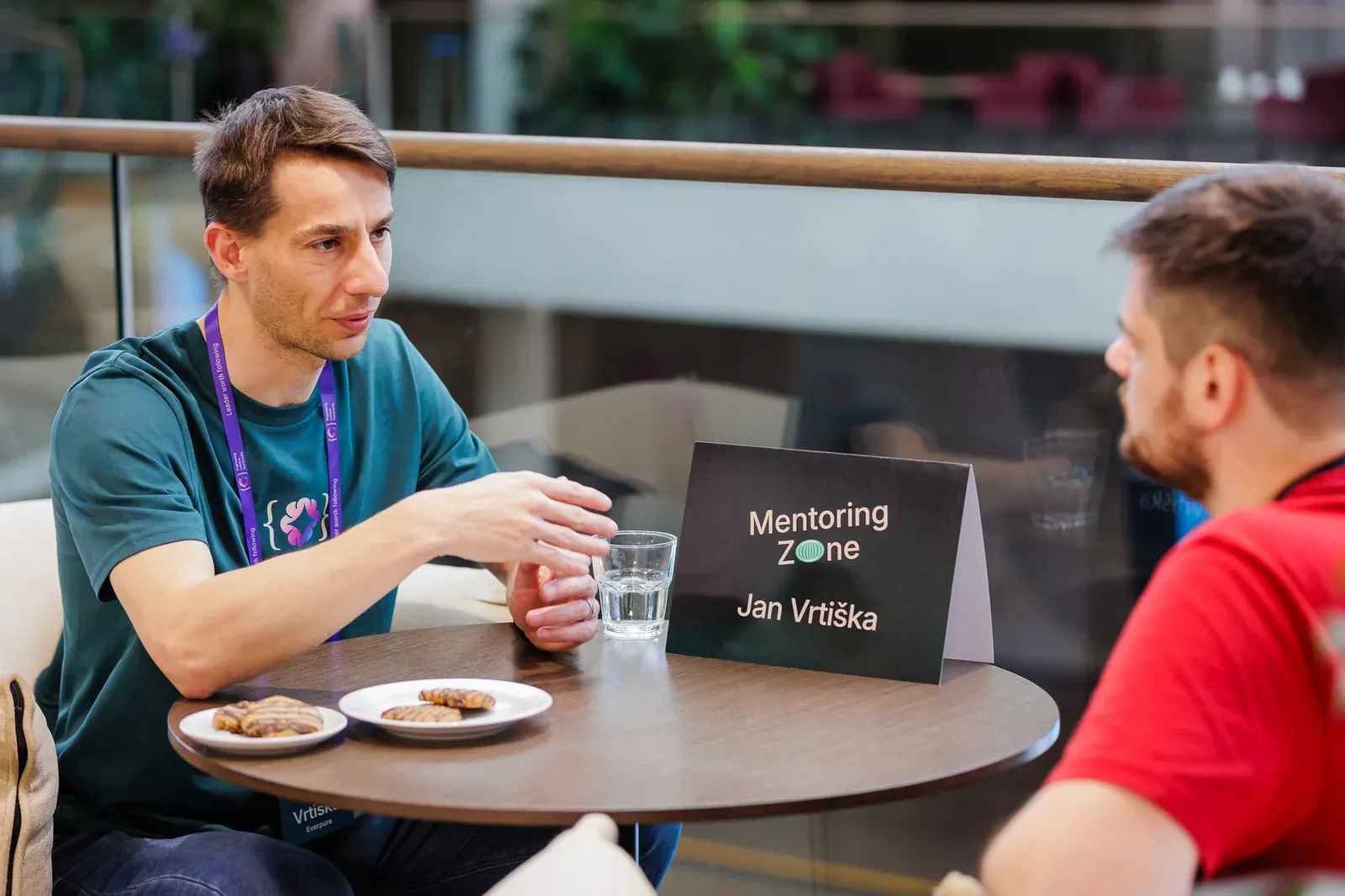

Marian Kamenistak in a 1:1 mentoring session.

The underperformer conversation you keep delaying.

They were fine two years ago. Now the team is quietly compensating and I can see it in the standups. HR wants a paper trail. My skip-level asked me last week what my plan is. Every Sunday evening I write out what I would say to them, and every Monday I find a reason not to.

You have probably tried

  • Softer feedback in 1:1s hoping it lands (it did not)
  • Assigning them "easier" work to hide the gap
  • Waiting for the next perf cycle to force the conversation
  • Asking HR for a template and being told "just talk to them"

How we tackle it

We diagnose whether this is a capability gap, motivation gap, or context gap. Different fixes. We write the specific feedback conversation you will have. If PIP is right, we run it dry with me playing your report. If exit is right, we design the exit that keeps the team intact.

Target: Within 4 weeks: the specific conversation delivered, the plan in writing, the escalation criteria clear. No more Sunday-evening drafts.

Marian Kamenistak in a 1:1 mentoring session.

Delivery is unpredictable. Your director is losing patience.

Sprint completion swings between 40 and 90%. My PM says my estimates are optimistic. My CTO said in the last skip "I need to understand why we shipped 55% of Q3." I do not have a clean answer. Or I have five and none of them survive being said out loud.

You have probably tried

  • Padding estimates by 30% (still missed)
  • Cutting scope mid-sprint (PM upset)
  • Reading DORA articles (metrics do not survive first standup)
  • Blaming ad-hoc work (true but nobody wants to hear it)

How we tackle it

Weekly we look at your actual sprint data. What predicted this sprint, what your director sees, where the gap is. We install a mid-sprint check that catches slip 4 days earlier than sprint review does. Not a Jira config, a conversation cadence.

Target: By week 12: 80%+ sprint completion, a defensible narrative for your director, and an honest answer to "why did Q3 miss."

Marian Kamenistak in a 1:1 mentoring session.

Your PM wants 12 things. You have 5 engineers.

Every backlog groom is a negotiation. The Product Trio is a slide from an article, not a working thing on my team. Delivery is slipping and my PM told the CPO it is my team being slow. My team told me the PM is delusional. Both are half-right and I am in the middle.

You have probably tried

  • Longer grooming sessions (worse)
  • Making the PM prioritize (they moved everything to P0)
  • Copying the "Product Trio" article word for word
  • Suggesting your PM read the same article (they did not)

How we tackle it

We rebuild the working agreement with your PM in writing. Discovery cadence, delivery cadence, escalation. We pick 3 specific things you will change and 3 you will ask your PM to change. Then I coach you through the specific "we need to reset how we work" conversation.

Target: By week 6: written working agreement, one round of specific-behavior changes on both sides, and the CPO conversation neutralized.

Marian Kamenistak in a 1:1 mentoring session.

You are burning out and cannot tell anyone.

It is Sunday, 9pm. My laptop is closed but my head is not. I have 4 direct reports and one partner and one small kid and a mortgage. On Monday I will be the person everyone looks at, and I will smile and say "let us dig in." My CTO would take it seriously if I said something. I have not said anything.

You have probably tried

  • Working weekends "just this once" (six weeks running)
  • Reading a book about burnout at midnight
  • Convincing yourself it is a phase
  • Not telling your partner how bad Sundays are

How we tackle it

We separate the emotional load (real, human) from the calendar load (fixable). Weekly session doubles as your outlet. We install one recovery ritual, one "I take the L on this" delegation, and one conversation you have been avoiding. Every session moves at least one.

Target: By week 8: at least one visible calendar cut, one delegated conversation done, and Sundays back to being Sundays.

Marian Kamenistak in a 1:1 mentoring session.

You are wondering if you should go back to IC.

Some days I miss the code. Some days I love the human puzzle. My director keeps giving me expanded scope, which feels like a compliment and a trap. Nobody at the company will tell me straight whether I should be here. The people who know me best either have a stake in the answer or would tell me what I want to hear.

You have probably tried

  • Talking to your director (she wants you to stay)
  • Asking your Staff+ friend (he wants you to switch)
  • Journalling in Notion for 40 pages
  • Waiting for clarity to arrive on its own

How we tackle it

We list what you actually want (not what sounds good). We map both paths (management, Staff+ IC) with year-2 and year-5 milestones. We test-drive each with a 2-week exercise. You leave with the decision, and the words for the conversation with your director.

Target: By week 6: a written decision, tested, and the specific "here is where I am going" conversation with your director prepared.

The questions I hear most from Engineering Manager, Team Lead

These are the exact asks from mentees in the last 12 months. Bring one to the intro call and we start there.

How mentoring with me works

Free 30-min intro. Two KPIs to move in 3-6 months. Small homework after every session. The full method, step by step:

See how mentoring works →

Frequently asked

What if my situation is weird and does not fit anything on this page?+
That is the most common opener I hear on intro calls. 6 or 7 out of 10 mentees think their situation is unusual. It usually is not unusual, it is just fresh to them. If yours actually IS unusual, we design a bespoke approach in session 1.
What if I only have 3 or 4 sessions to figure something out?+
Then we compress. You bring the one specific decision, we work backward from the deadline, and every session ends with an artifact you can act on. Some of the highest-impact engagements I run are 4 sessions total.
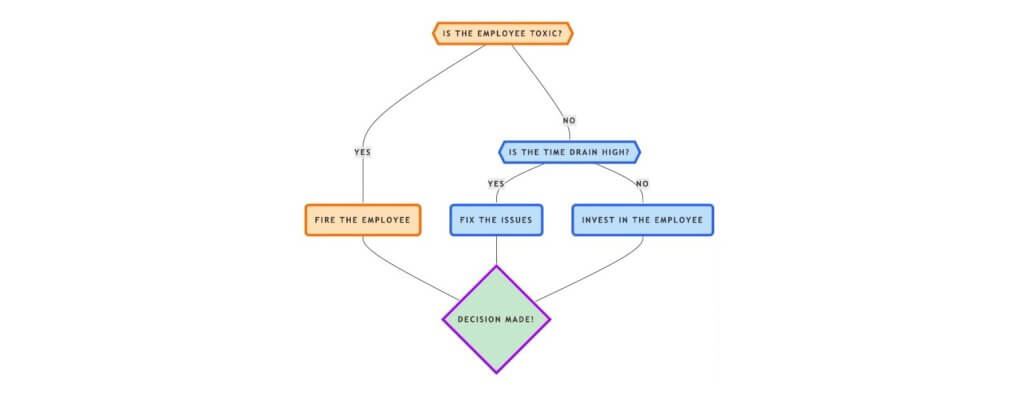
Will you actually tell me to fire the guy, or will you just ask me questions?+
If firing is the right call, I will say so, and I will help you run the conversation. If it is the wrong call, I will say that too. Mentoring first means direct advice when the situation calls for it. Coaching-style questions come later, once trust is built.
What if the real problem is my director, not my team?+
Then we work on your director. Nothing is off-limits. If the block is above you, we design the influence-up play. If your director is unfixable, we work on your exit plan.
I have been an EM for 2 months. Am I too early for this?+
You are right on time. First 90 days is exactly when mentoring compounds hardest. The 2-year self-taught curve compresses to 6 months when someone external sanity-checks the specific calls.
What if my CTO or director finds out I have a mentor?+
Most EMs do not tell their director, and that is fine. If you do, most directors I know actively support it. It signals investment in the craft, not that you are struggling.
Coach, mentor, or course: which one is this, and what is the difference?+
Mentoring first: direct advice from someone who has been in your seat, with coaching-style questions once trust is built. The honest comparison:
OptionWhat you getWhere it breaks
Mentor + coach (this)Direct steps from someone who has seen your situation 50 timesYou have to bring real situations, not hypotheticals
Pure coachQuestions until you find your own answerSlow when Tuesday's call needs an answer by Tuesday
Course or bookFrameworks, videos, templatesNobody sanity-checks your specific call
Doing nothingFreeThe 2-year self-taught curve, paid in Sundays
What does an engineering manager coach cost?+
Public pricing, no "book a call to find out" dance: 430 EUR per session, less in a 6-pack. Compare it to one wrong hire or one quarter of missed delivery. One avoided mistake pays for the year. Details on the pricing page.
When should an engineering manager get a coach?+
Three triggers cover most intro calls I get: the first 90 days in the seat, a people conversation you keep rewriting on Sunday evenings, and the quarter where delivery misses became a pattern your director noticed. If one of those is running, now.

Explore other roles

Why me

Marian Kamenistak

Ex-VPE at Mews (Series C). Ex-Manta, acquired by IBM. 3,000+ mentoring sessions since 2019.

The full story →

Ready to start?

Free 30-min intro. No pricing conversation on the first call. We figure out if we can move your specific problem forward. That is it.

From the blog

All posts →